Guide on Joining a Buddhist Monastery
Joining a Buddhist monastery is not simply about learning meditation or stepping away from modern life. It is a structured commitment to Buddhist monastic life, where daily routines, ethical rules, and community living shape every aspect of a person’s day. People considering joining a Buddhist monastery often have questions about eligibility, preparation, daily life, and long-term commitment.
This guide from Volunteer Society Nepal explains how joining a Buddhist monastery works in practice, what to expect at each stage, and how to decide whether this path is right for you.
What It Means to Join a Buddhist Monastery
To join a Buddhist monastery means entering a formal monastic environment where personal freedom is replaced by discipline and structure. This section explains what monastic life actually involves on a daily level, beyond common ideas about meditation or spiritual retreat.
Understanding this meaning is essential before applying, as monastic life requires consistency, obedience to rules, and long-term mental effort.
Monastic life generally involves:
- Following strict ethical guidelines
- Practicing meditation every day
- Studying Buddhist teachings
- Living a simple, communal lifestyle
A person who joins a Buddhist monastery agrees to live by rules that shape daily behavior, thoughts, and actions. The focus is not on personal comfort but on training the mind through discipline and repetition.
Why People Choose Monastic Life
People are drawn to monastic life for deeper reasons than curiosity or travel. This section explains the main motivations behind why individuals choose to join a Buddhist monastery and what they hope to gain from the experience. These reasons often reflect a desire for structure, clarity, and long-term inner development rather than short-term peace.
Common reasons include:
- Spiritual growth and self-understanding
- Learning meditation from experienced teachers
- Living a simple and disciplined life
- Developing ethical awareness
- Studying Buddhism deeply
For many, joining a Buddhist monastery offers a focused environment where distractions are removed and attention is directed inward.
Types of Buddhist Monasteries Worldwide
Not all Buddhist monasteries function in the same way. This section explains the major types of Buddhist monasteries around the world and how their traditions, practices, and daily routines differ. Knowing these differences helps applicants choose a monastery that matches their spiritual goals and learning style.
The main types include:
- Theravada monasteries – Common in Southeast Asia, focused on early Buddhist teachings
- Mahayana monasteries – Found in East Asia, emphasizing compassion and wisdom
- Vajrayana monasteries – Tibetan tradition, involving rituals and advanced practices
- Forest monasteries vs urban monasteries – Secluded practice versus city-based learning
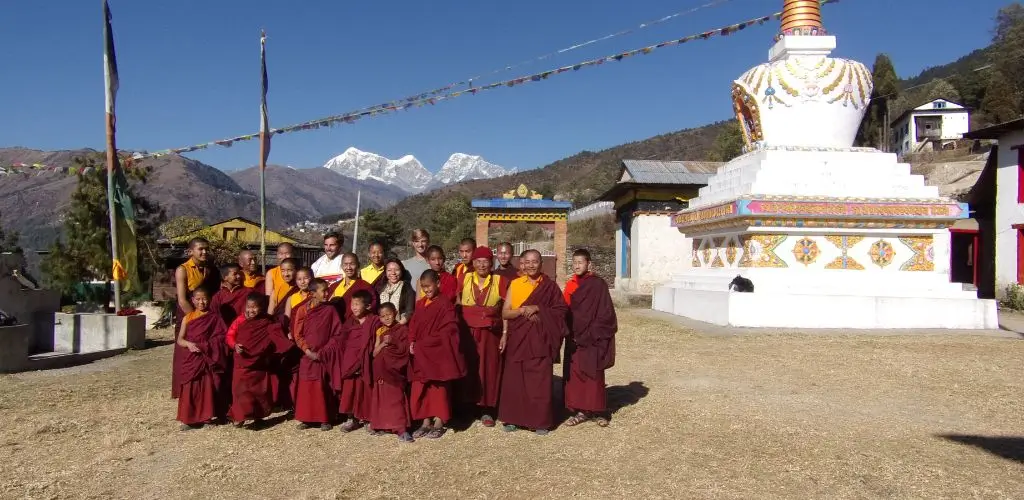
Each type offers a different approach to Buddhist monastic life.
Who Can Join a Buddhist Monastery
Many people wonder whether they are eligible to join a Buddhist monastery. This section explains the general requirements monasteries look for and clarifies that acceptance is based more on readiness and discipline than background or education.
In general, a person must:
- Meet the minimum age rules set by the monastery
- Be physically and mentally healthy
- Be willing to follow strict discipline
- Show respect for Buddhist traditions
Requirements vary, but sincerity and commitment are always essential.
Who Should Not Join a Buddhist Monastery
Joining a Buddhist monastery is not suitable for everyone. This section helps readers honestly assess whether monastic life aligns with their expectations and abilities. Understanding who should not apply is just as important as knowing who can.
Joining a Buddhist monastery may not be appropriate for someone who is:
- Looking for a holiday or retreat experience
- Trying to escape personal responsibilities
- Unwilling to follow strict rules
- Expecting comfort, privacy, or freedom
This clarity helps prevent frustration for both applicants and monasteries.
Levels of Commitment and Ordination
Buddhist monasteries offer different levels of commitment, and not all applicants are expected to commit for life. This section explains the common stages involved in joining a Buddhist monastery, from short-term stays to full ordination.
Most monasteries follow this general path:
- Guest stay or trial period – Short stays to observe monastic life
- Novice monk or nun – Temporary ordination with basic vows
- Full ordination – Long-term commitment with complete monastic vows
Each level allows time for reflection before deeper commitment.
How to Prepare Before Applying
Proper preparation increases both acceptance chances and personal readiness. This section explains how to mentally, emotionally, and practically prepare before applying to join a Buddhist monastery.
Helpful steps include:
- Reflect honestly on your motivation
- Learn basic Buddhist ethics and teachings
- Practice meditation regularly
- Adjust to a simple lifestyle
Preparation shows respect for the monastic path and its traditions.
Choosing the Right Buddhist Monastery
Choosing the right monastery affects the entire monastic experience. This section guides readers through the key factors to consider when selecting a monastery, including tradition, location, and daily expectations.
Before applying, consider:
- Which Buddhist tradition suits you best
- Whether the monastery accepts foreigners
- What the daily routine and discipline are like
Careful selection prevents misunderstanding and disappointment.
How to Apply to a Buddhist Monastery
The application process varies between monasteries but usually follows a similar structure. This section explains what the application process typically involves and what monasteries look for during evaluation.
Typical steps include:
- Contacting the monastery directly
- Sharing personal background and intention
- Attending an interview or trial stay
Patience is important, as acceptance often takes time.
Daily Life Inside a Buddhist Monastery
Daily life in a Buddhist monastery is highly structured and repetitive by design. This section explains what a typical day looks like and how routine supports mental training and discipline.
Most days include:
- Early morning meditation
- Chanting and scriptural study
- Work duties such as cleaning or cooking
- Evening meditation or teachings
Routine helps turn everyday actions into mindful practice.
Rules and Discipline in Monastic Life
Rules are the foundation of Buddhist monastic life. This section explains why rules exist, how they are followed, and how they support personal and communal harmony.
Common rules include:
- Celibacy
- Owning very few personal items
- Following a strict daily schedule
- Maintaining ethical conduct
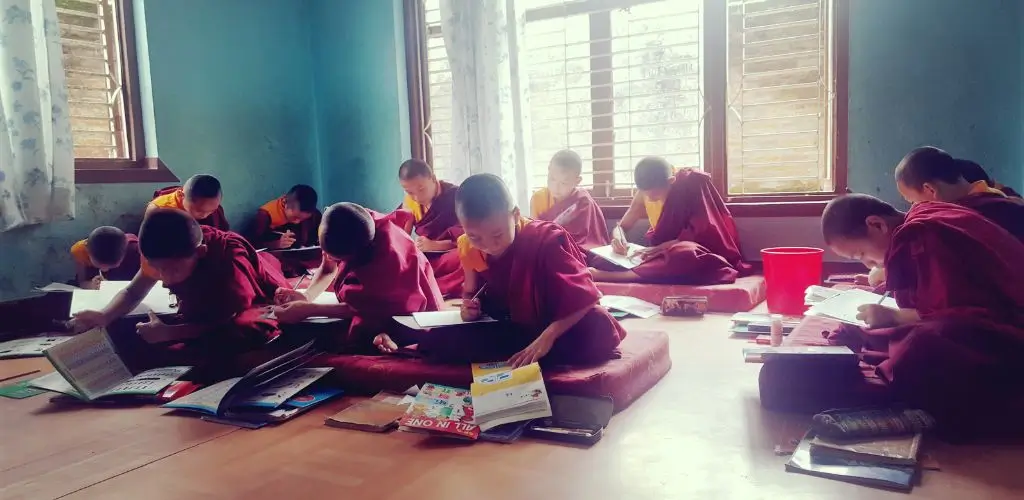
Discipline is viewed as a tool for mental clarity, not restriction.
Common Misunderstandings About Joining a Monastery
Many people approach monastic life with unrealistic expectations. This section addresses common misunderstandings and clarifies what joining a Buddhist monastery truly involves.
- Myth: Monastic life is always peaceful
- Fact: Discipline and effort come before calmness
- Myth: Anyone can join easily
- Fact: Acceptance is selective and earned
A clear understanding leads to better preparation.
Final Thoughts on Joining a Buddhist Monastery
Joining a Buddhist monastery is a serious and structured commitment, not a casual lifestyle choice. This path requires patience, self-discipline, and respect for tradition. Those who approach monastic life with realistic expectations and proper preparation are more likely to benefit from the experience.
Our team at Volunteer Society Nepal helps with procedure involving joining a Buddhist monastery as well as being a volunteer for teaching in monasteries as part of our Volunteer and Internship in Nepal.
Contact Volunteer Society Nepal to learn more about Buddhist Monastery and opportunities surrounding it.
Frequently Asked Questions
Can anyone join a Buddhist monastery?
Most monasteries accept applicants who meet age, health, and discipline requirements, but acceptance depends on readiness and commitment.
Do you have to become a monk to live in a monastery?
No. Many monasteries allow short-term stays or trial periods without full ordination.
How long does it take to join a Buddhist monastery?
The process can take weeks or months, depending on trial periods and monastery rules.
Is joining a Buddhist monastery permanent?
No. Many people leave after a trial or novice stage. Full ordination is voluntary and long-term.
Do Buddhist monasteries accept foreigners?
Many Buddhist monasteries worldwide accept foreigners, though requirements vary by location and tradition.